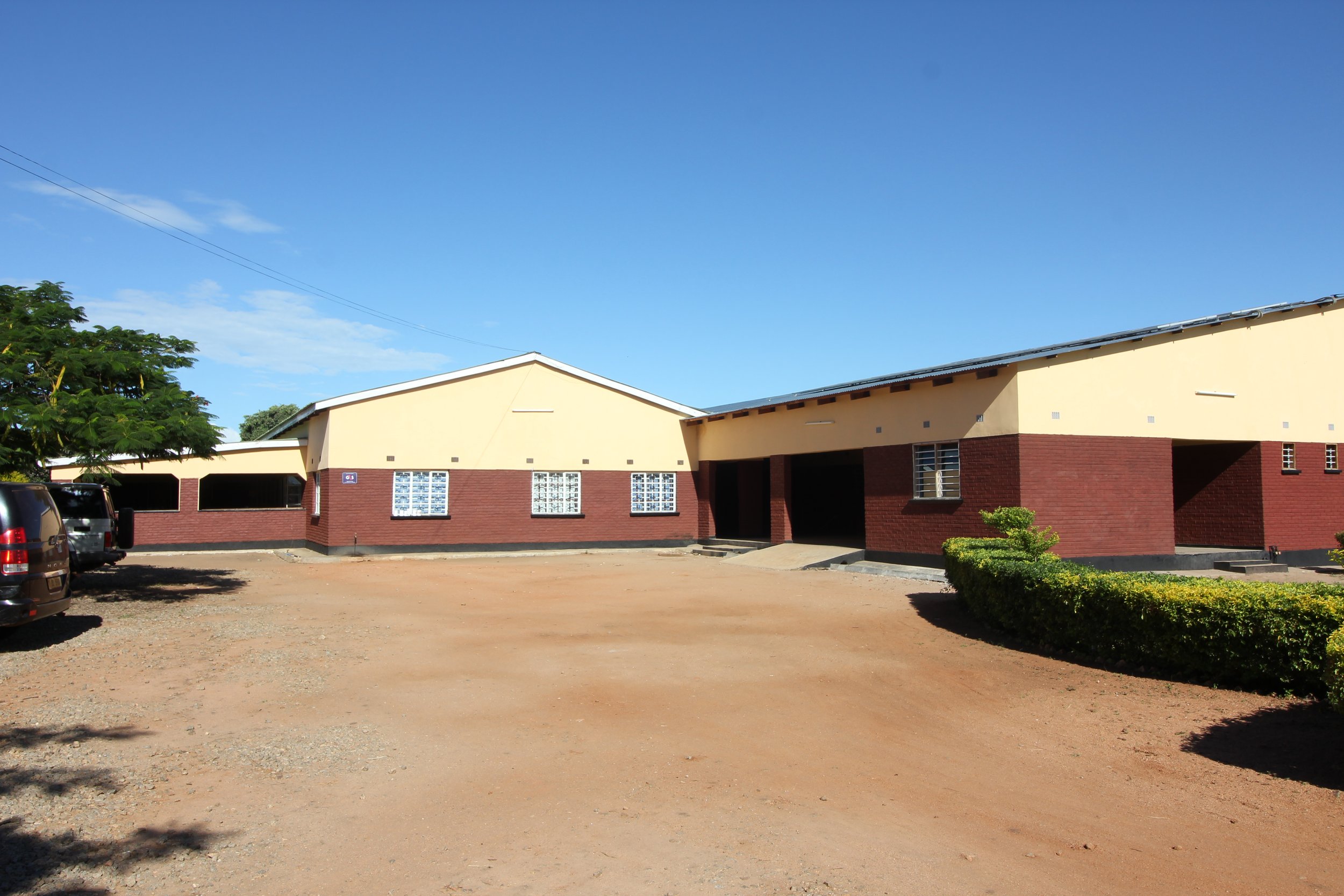
Malawi Health & Community Development Initiative (2009-Present)
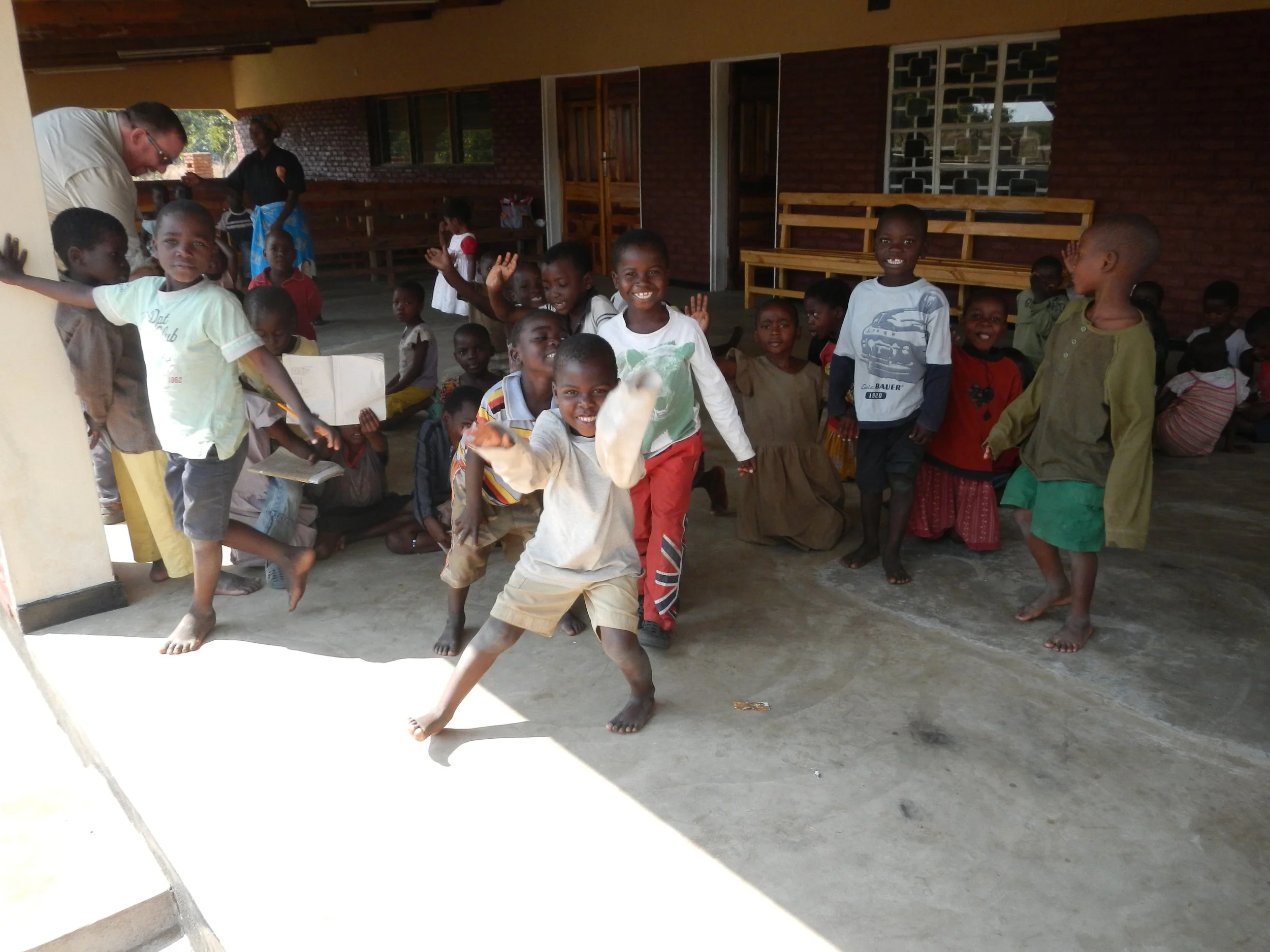
My earliest work in Africa began with a 2009 journey through Uganda, Malawi, and Kenya, where our team partnered with regional health leaders to better understand the realities facing underserved communities. That journey ultimately led us to Salima, Malawi—where I joined Dr. Anne (Annie) Maseko Alaniz and her father, Dr. Peter Maseko—to develop what would become one of the most impactful medical and community initiatives of my career.
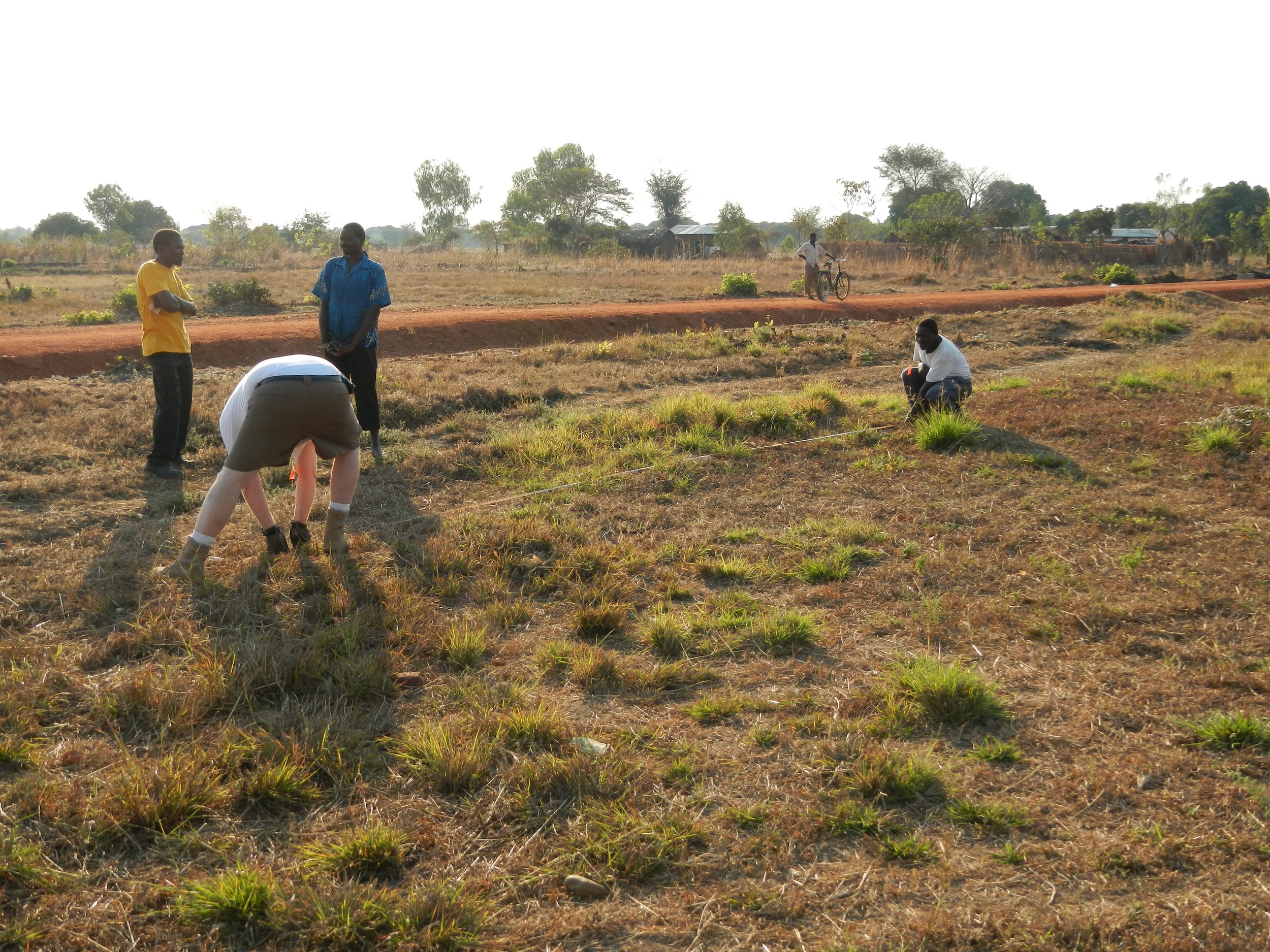
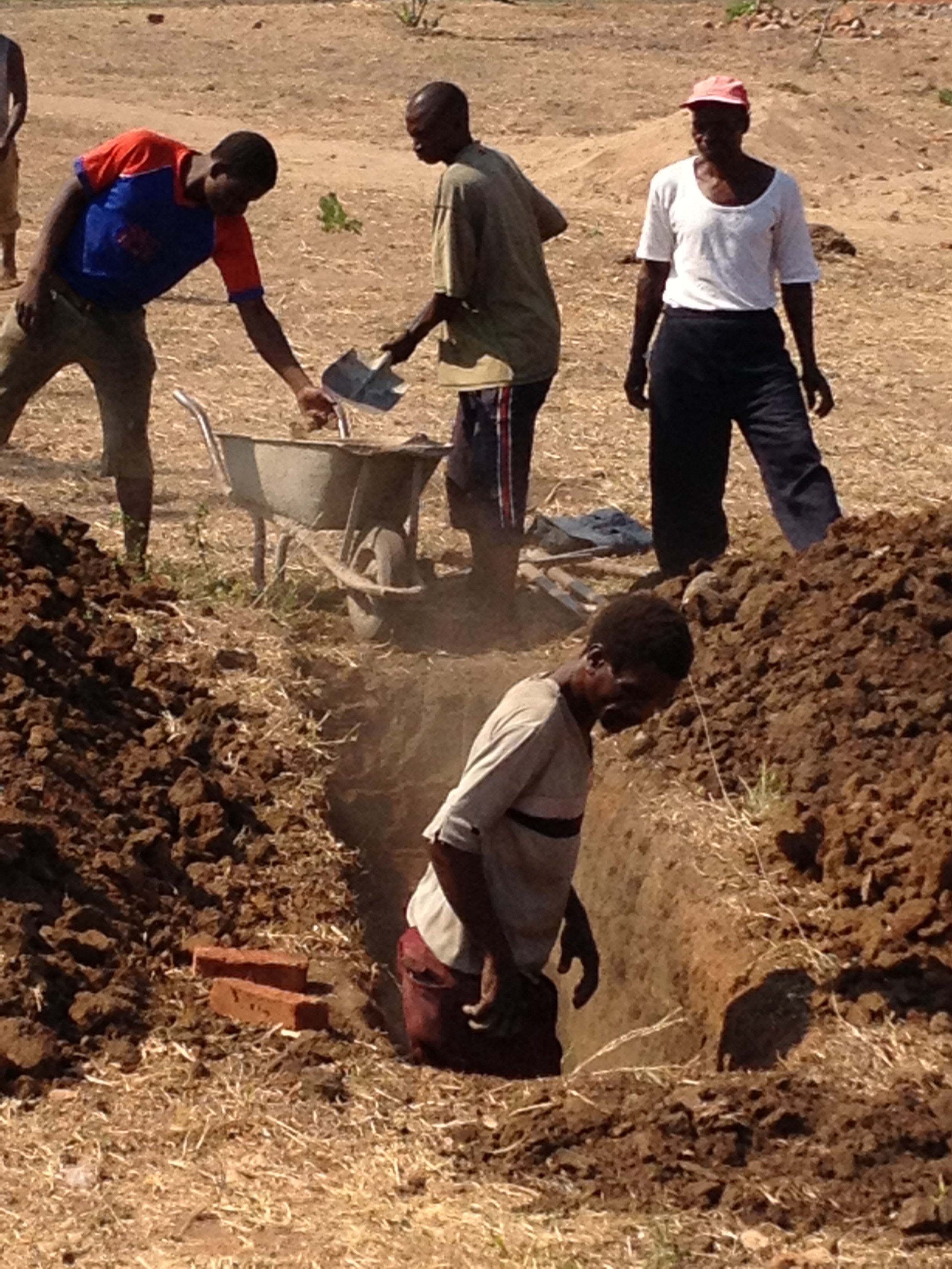
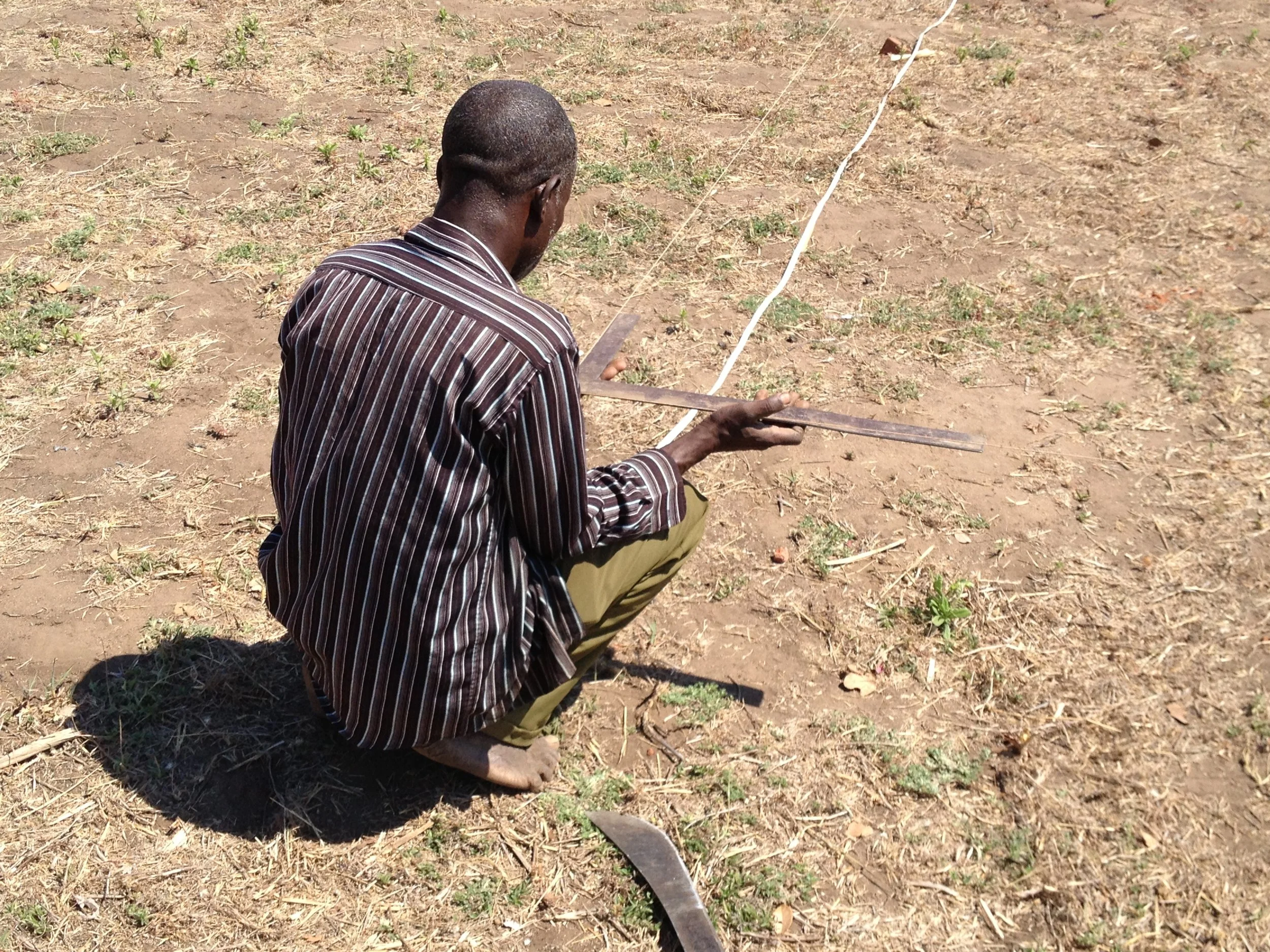
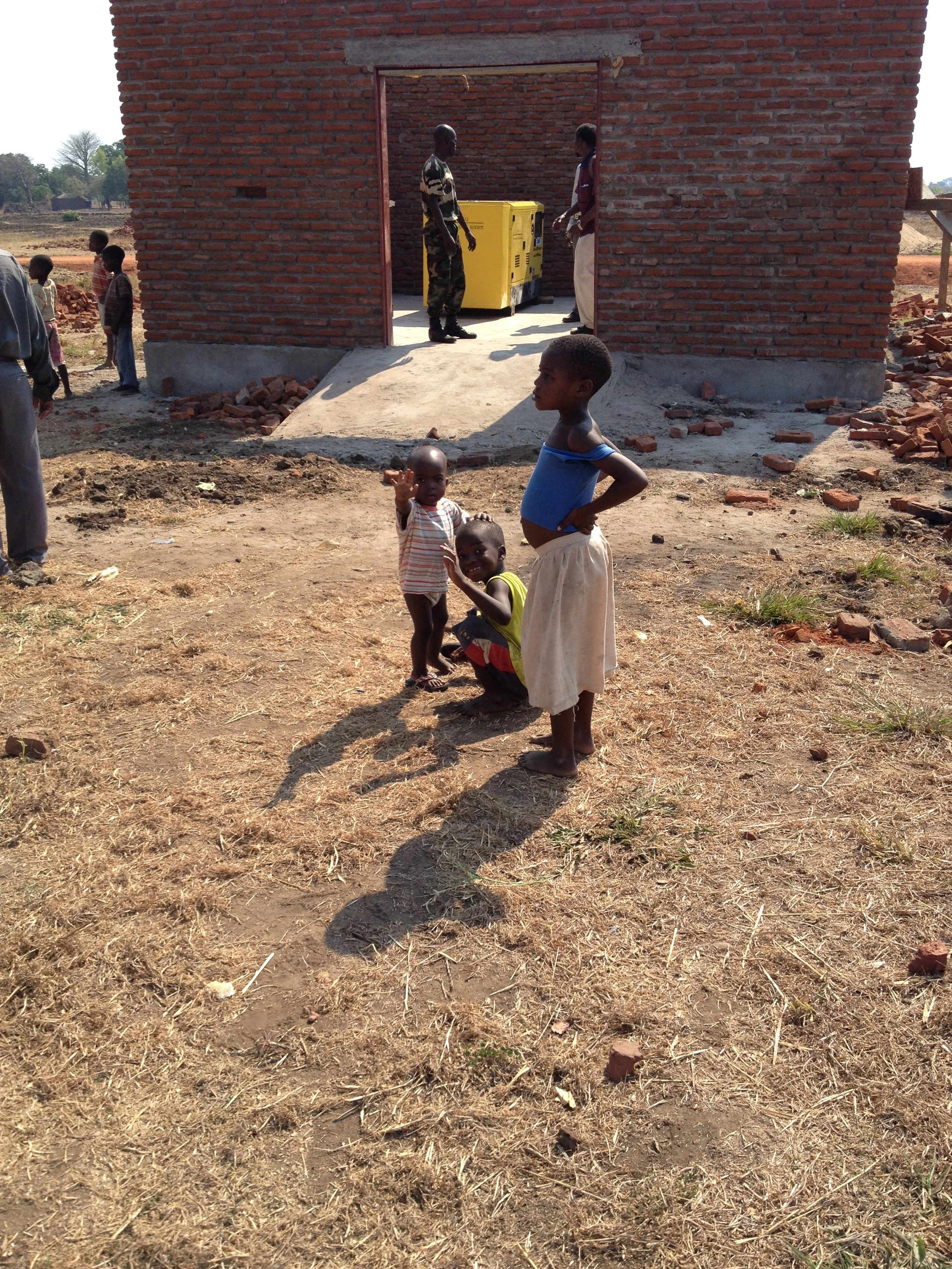
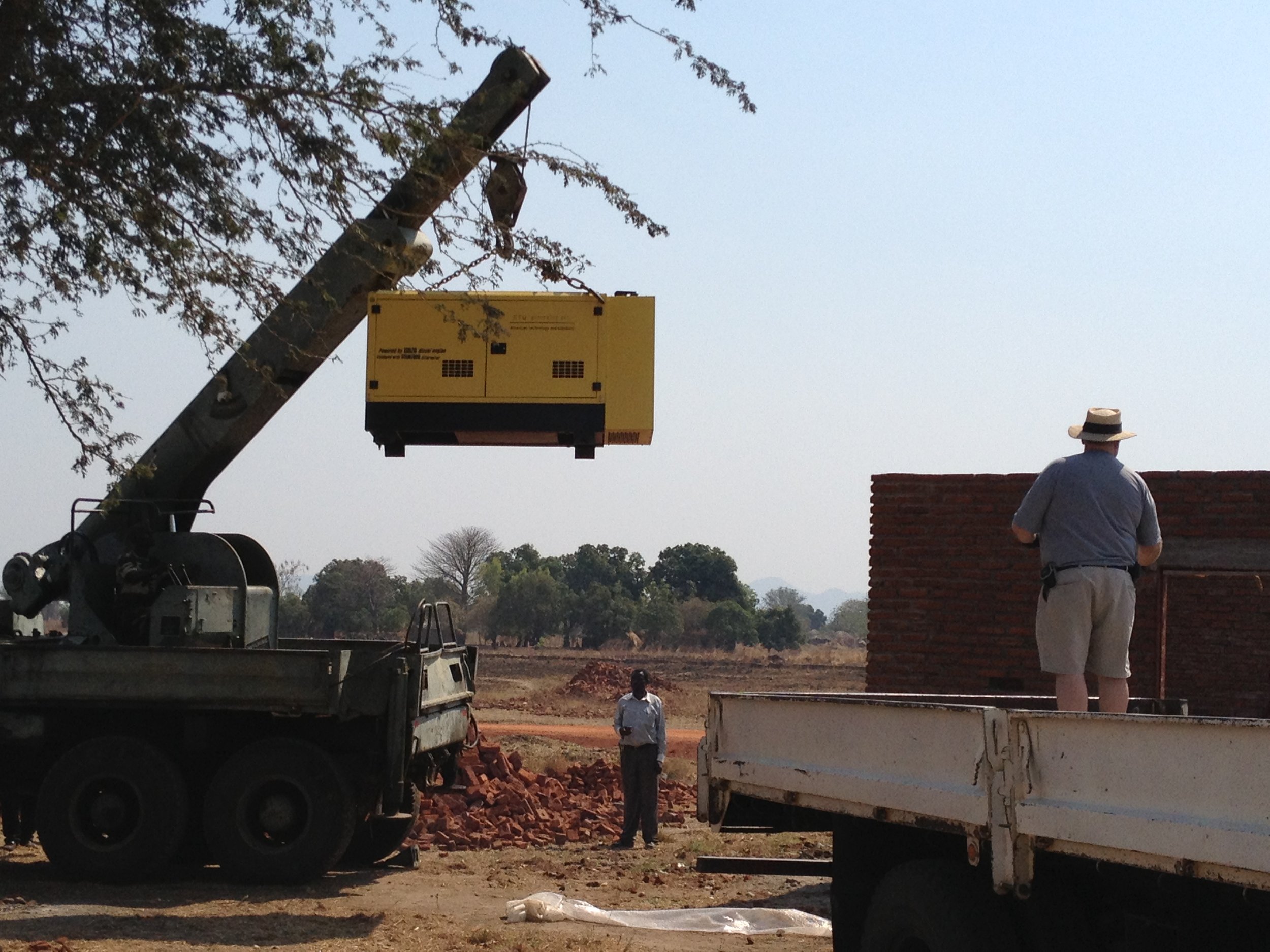
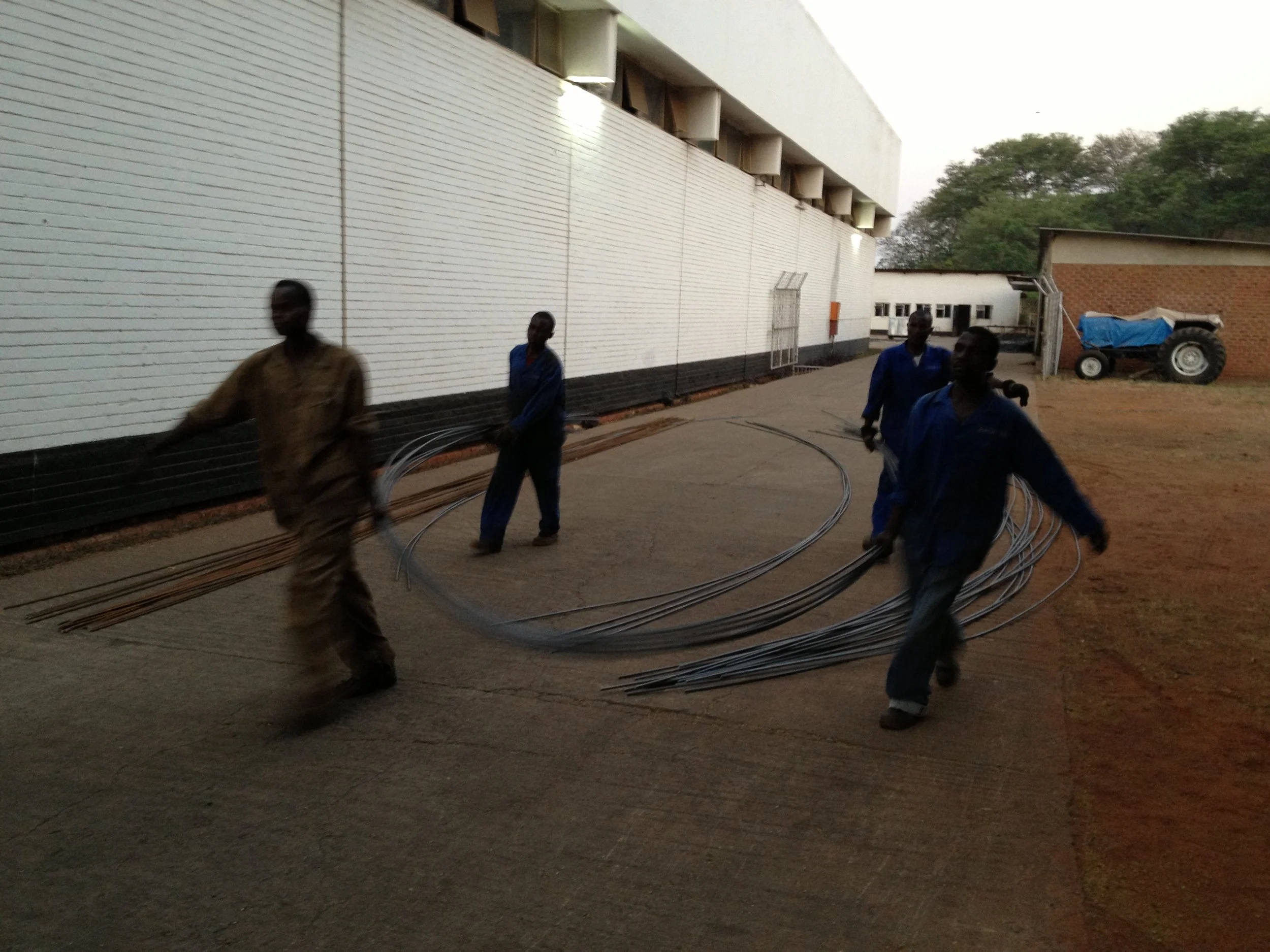
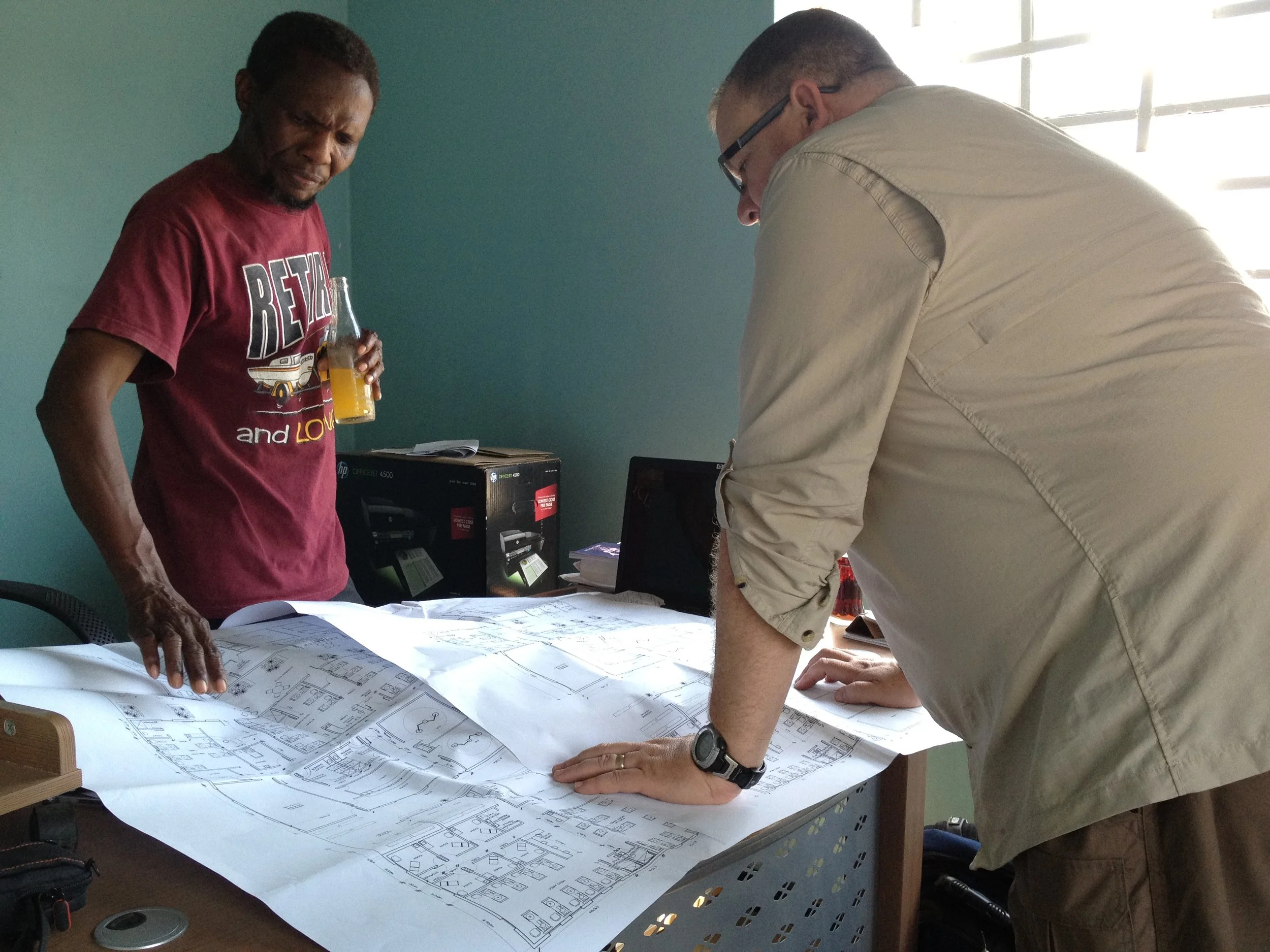
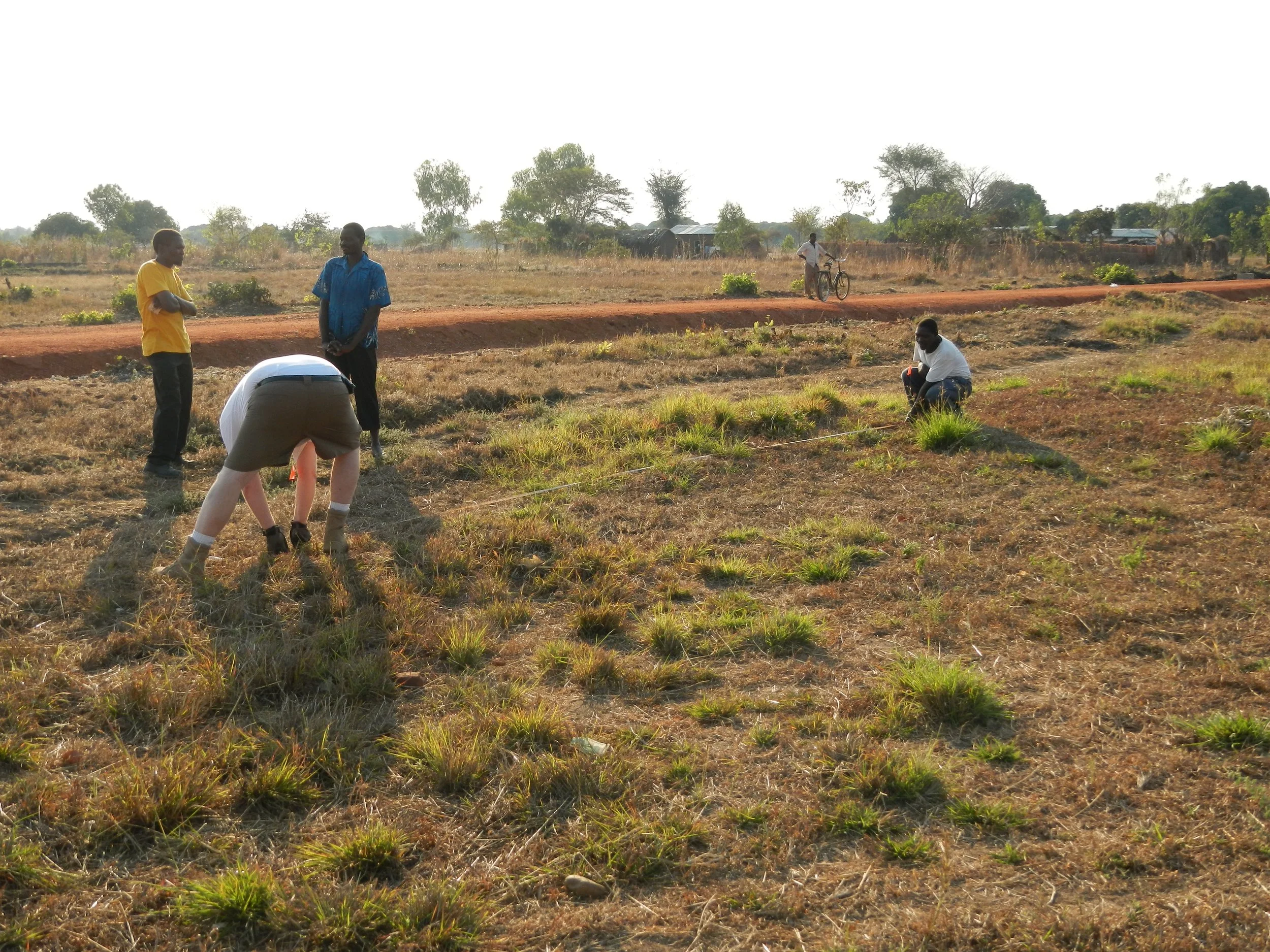
Together, we began designing a multi-phase healthcare campus to address the region’s most urgent gaps in maternal, pediatric, and primary care. Construction began in 2009 with the foundation for an outpatient clinic and a long-term vision that included a fully equipped birthing center, surgical capacity, laboratory services, and essential infrastructure such as power generation, road improvements, and sustainable revenue pathways to support ongoing operations. Much of this work was made possible through the Integral Life Foundation (ILF) and the One5 Foundation—now evolved into the Solventas Foundation—rooted in the belief that lasting change begins by investing in people, local systems, and community-led solutions.
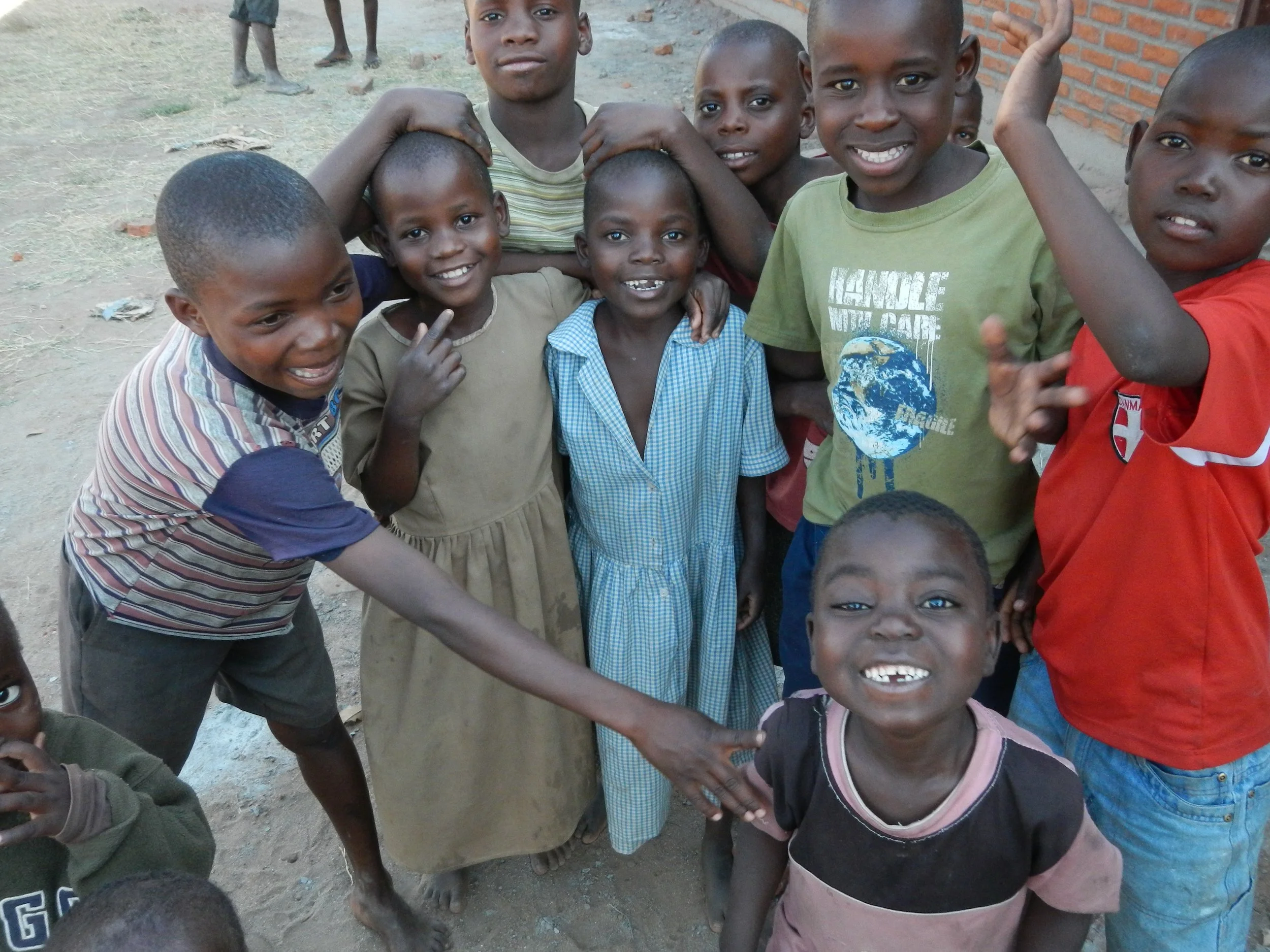
Malawi is often called the “Warm Heart of Africa” for its welcoming people and remarkable beauty. Yet it faces some of the most severe health challenges in the world. HIV/AIDS prevalence exceeds 14%, with more than 91,000 children living with the disease and nearly half of the country’s estimated two million orphans having lost parents to HIV-related illness. Women and children bear the greatest burden of this crisis.
Child and maternal mortality remain devastatingly high. Fifty-five out of every 1,000 children do not reach their fifth birthday, and Malawi’s maternal mortality ratio—approximately 1,100 deaths per 100,000 live births—is among the highest globally. In the Salima region, home to roughly 10,000 people, access to maternal, pediatric, and surgical care has historically been extremely limited.
Phase 1: Outpatient Clinic (Opened 2014)
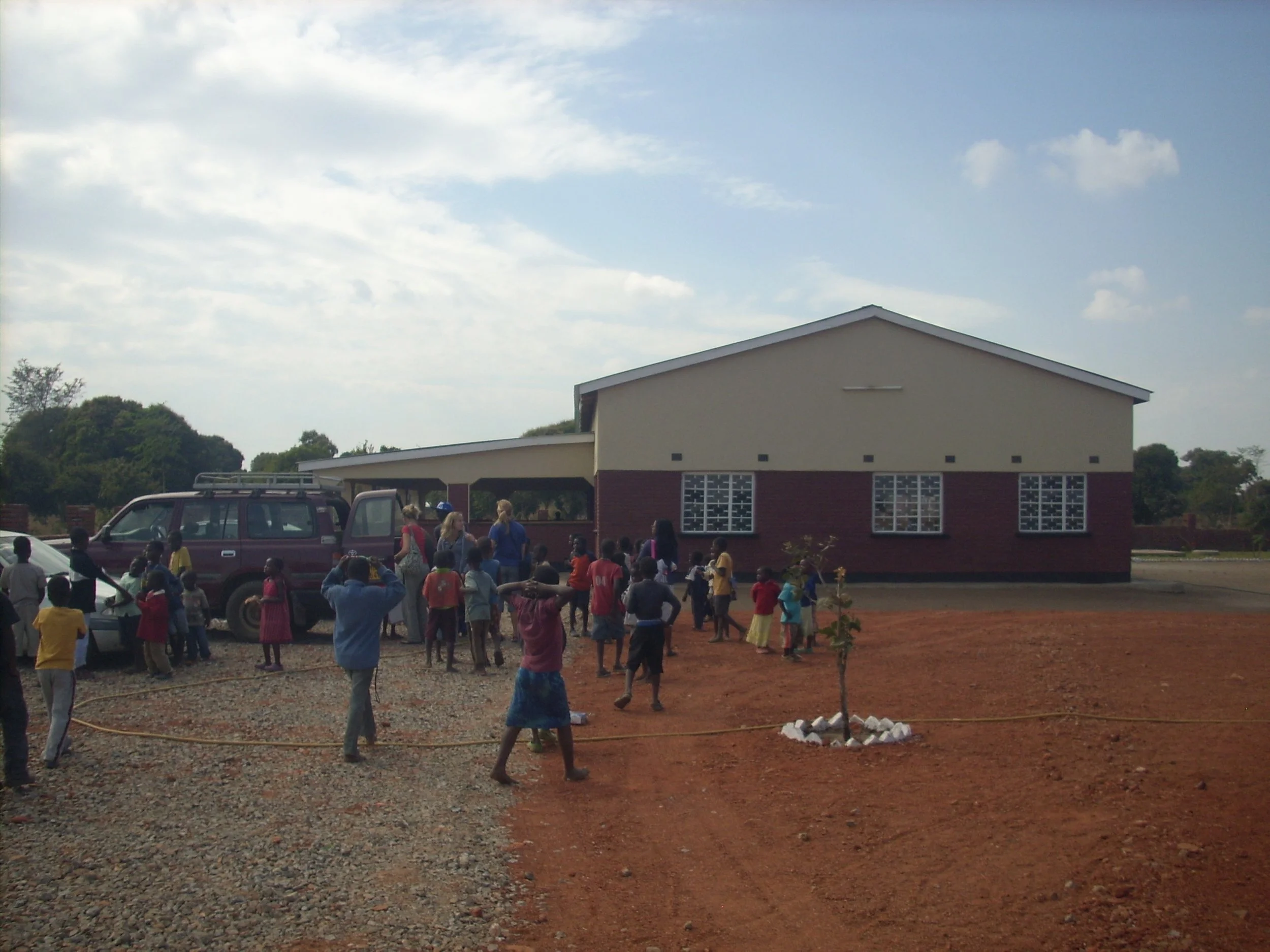
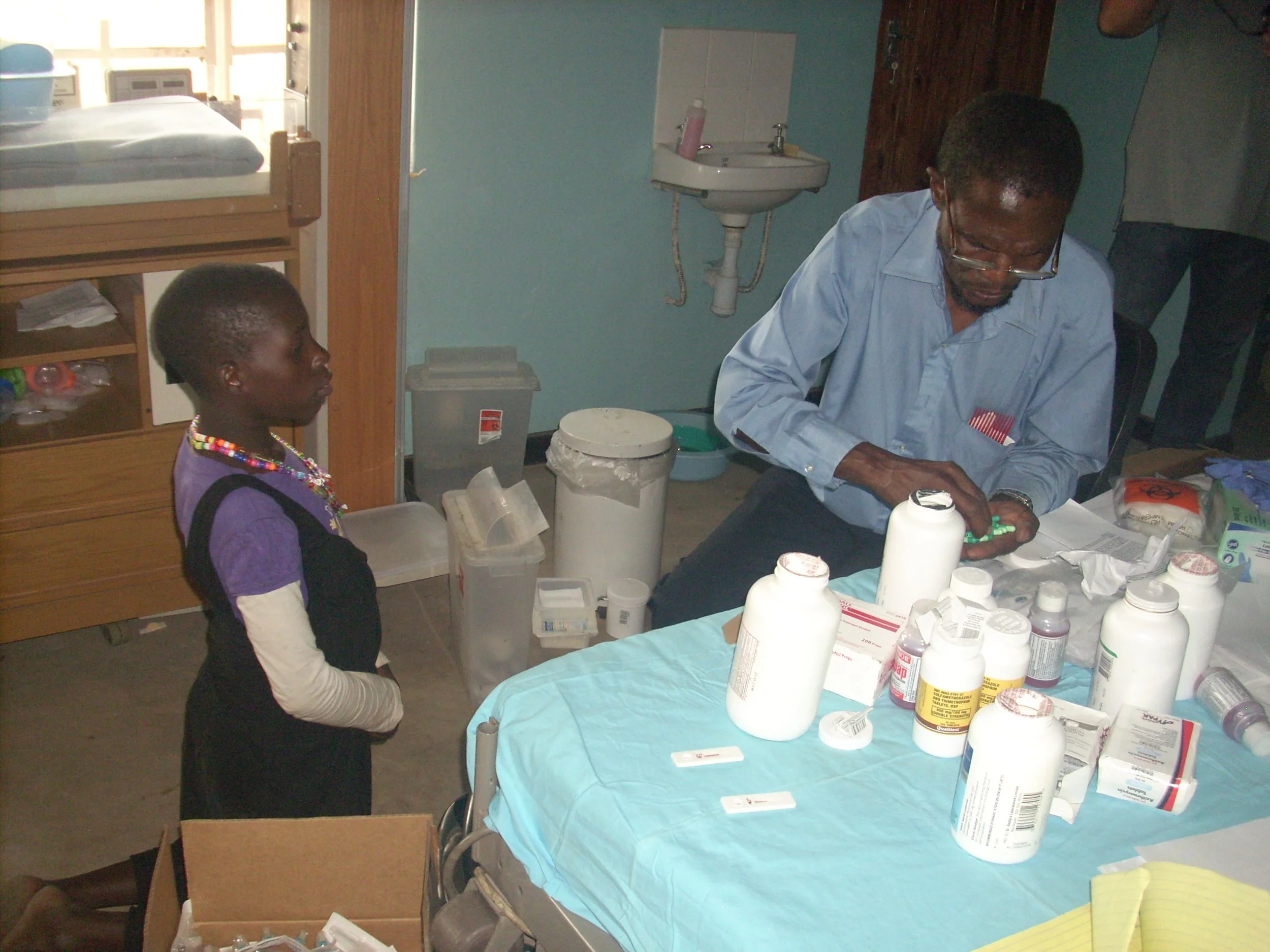
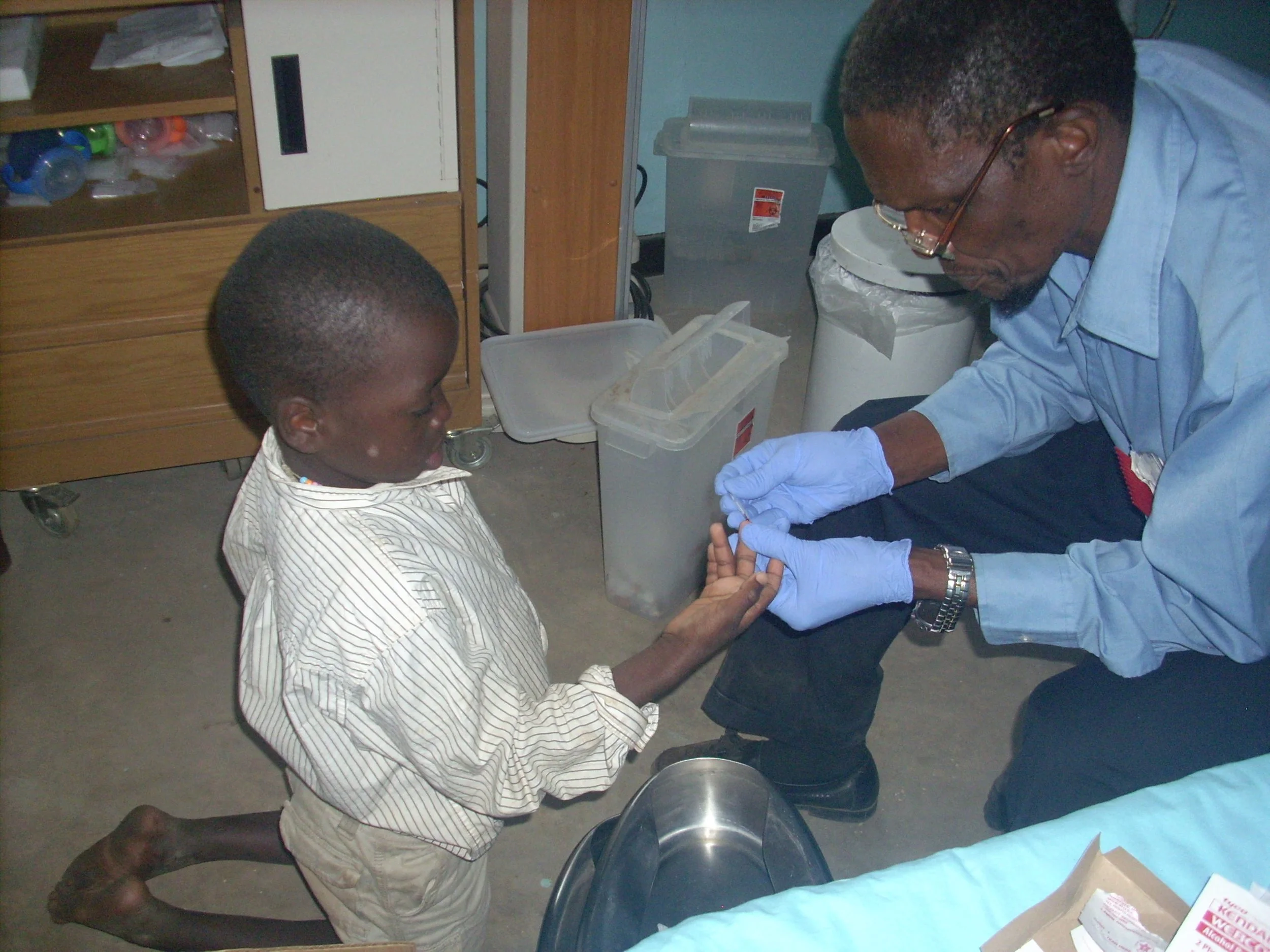
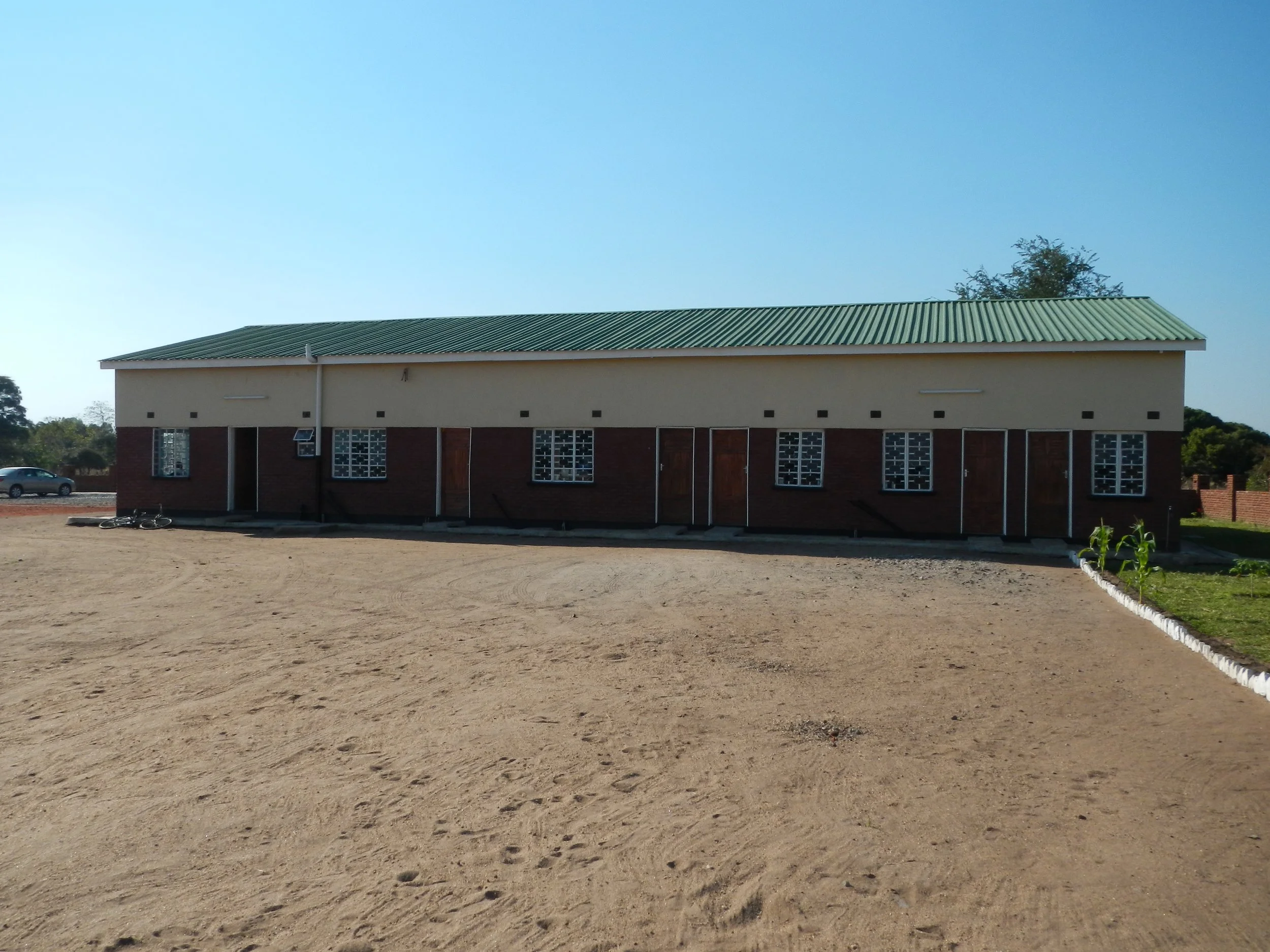
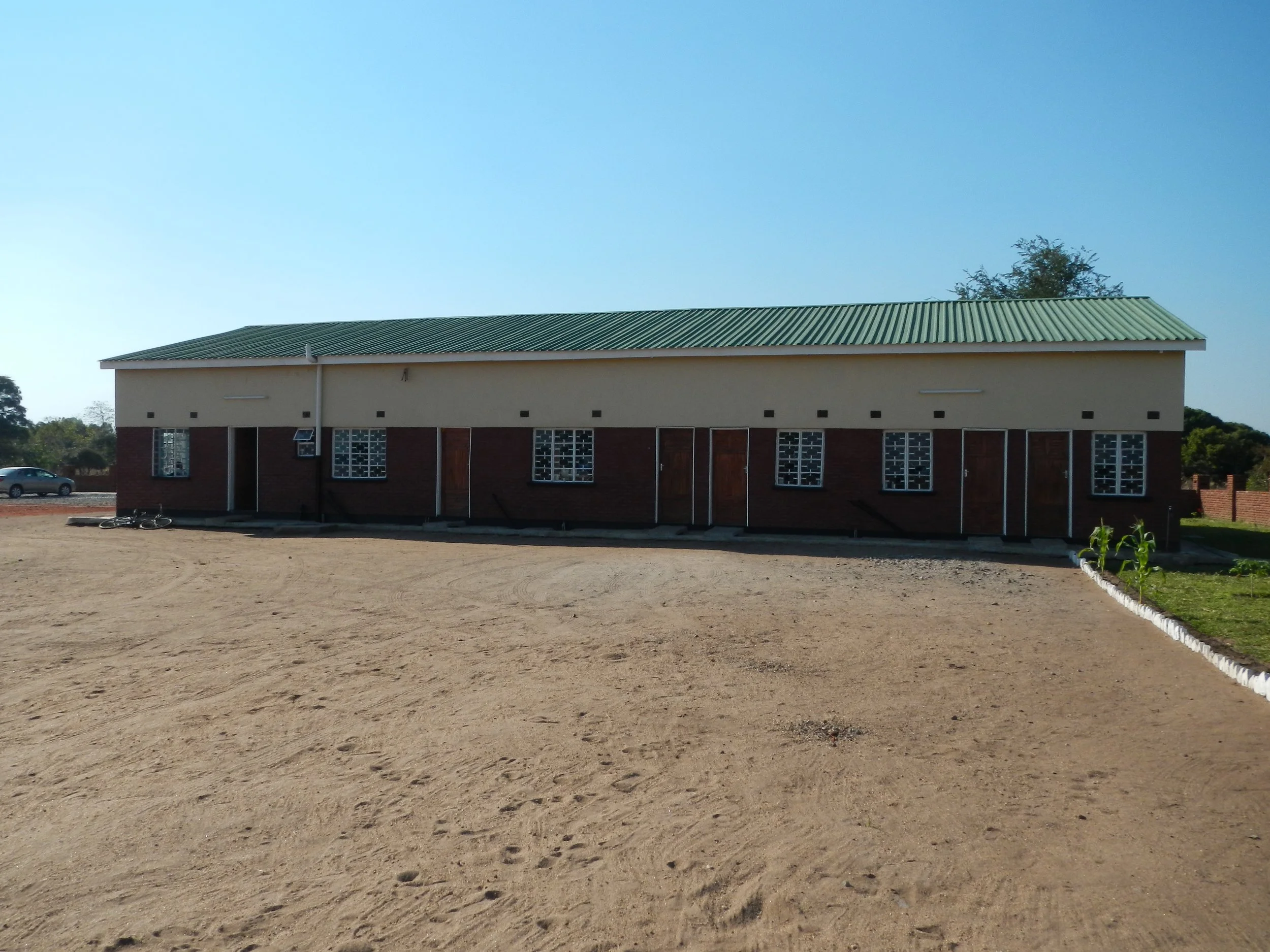
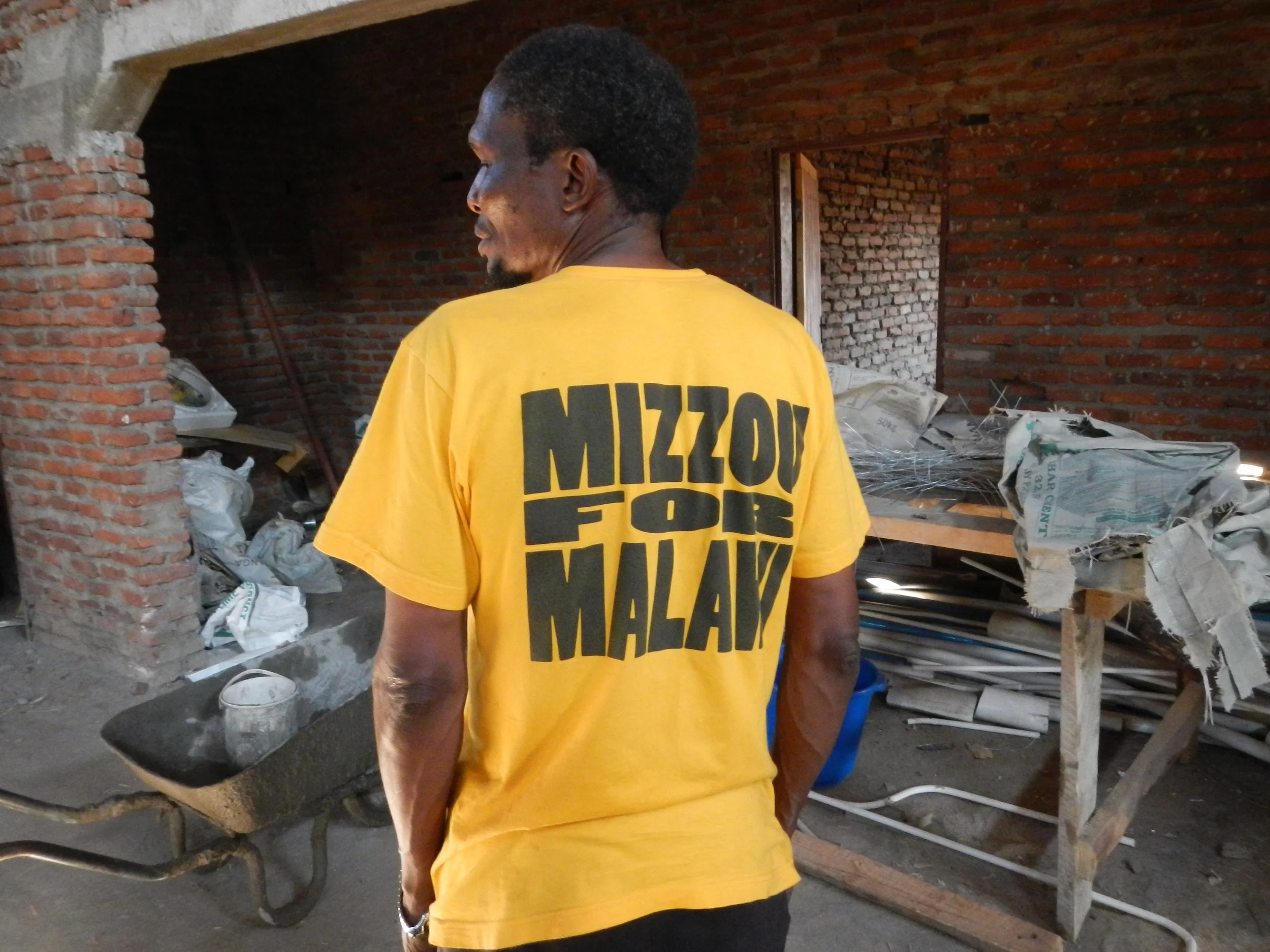
Construction of the Pothawira Clinic began in 2009 and opened its doors in 2014. Operating on an outpatient basis, the clinic now serves more than 300 patients per day, many of whom are women and young children. Care ranges from treatment for malaria and typhoid fever to broken bones and the administration of HIV medications, with a strong emphasis on early diagnosis and proper treatment. At a time when average life expectancy in Malawi hovered around 40 years, the clinic was designed with the goal of extending lives through accessible, preventive care.
Phase 2: Birthing Center (Opened 2018)
Opened in the summer of 2018, the 120-bed birthing center was developed in response to rising maternal mortality rates and the urgent need for safe delivery options. In regions like Salima, childbirth is often life-threatening due to distance from care and lack of trained support. The center provides comprehensive prenatal, antenatal, and postpartum care, along with safe deliveries and C-sections on-site—eliminating the need for dangerous long-distance travel.
The birthing center also integrates HIV Early-Infant Diagnosis (EID) and Prevention of Mother-to-Child Transmission (PMTCT) programs, including HIV DNA PCR testing for newborns at 4–6 weeks. Early treatment for HIV-positive infants has been shown to reduce HIV-related infant mortality by more than 75%, offering children a healthier start to life while reducing stigma for families.
Phase 3: Surgical Facility (Recently Completed)
The next phase of the campus is the development of a surgical facility, designed to provide lifesaving procedures that are otherwise unavailable to the region’s population. With an end goal of extending patient life expectancy by as much as 50%, this phase represents a critical expansion of the campus. Fundraising efforts are ongoing as we prepare to bring comprehensive surgical care to Salima.
Across all phases, the initiative is guided by three core pillars:
Education & Training
Empowering community members—particularly children and caregivers in orphanages—through education is essential to long-term health improvement. By training local leaders and healthcare workers in disease prevention and early intervention, we address preventable illnesses such as cholera, malaria, typhoid fever, and HIV/AIDS.HIV/AIDS Prevention & Treatment
Preventing, identifying, and treating HIV/AIDS is central to reducing mortality and breaking cycles of orphanhood. Education—especially for women—combined with early diagnosis and treatment for mothers and infants has proven to significantly reduce transmission and improve outcomes across generations.Women’s & Children’s Care
Women and children are at the heart of this work. Through safe childbirth, pediatric primary care, immunizations, acute illness treatment, and plans for future surgical services, the campus provides continuity of care from birth through adolescence—dramatically improving long-term health outcomes.
Today, the Malawi campus serves more than 4,000 patients each month and continues to expand its capabilities. In 2020, the initiative was honored as Project of the Year by the Mobilizing Medical Missions (M3) Conference, recognizing not only its clinical impact but also the extraordinary commitment of partners, volunteers, and local leaders.
What began as a vision more than a decade ago has grown into a thriving, resilient healthcare ecosystem—one that reflects what is possible when compassion, expertise, and sustained commitment come together to create hope, dignity, and healing.